
Best Hair Loss Treatment in UK – Hair loss is a common concern affecting both men and women in the UK. Factors such as genetics, hormonal changes, nutritional deficiencies, stress, medical conditions, and lifestyle changes can contribute to hair thinning and excessive shedding.
With several medications and hair restoration options available, choosing the right treatment can feel confusing. Understanding the cause of hair loss is the first step towards finding an effective solution.
If you are searching for the Best Hair Loss Treatment in UK, consulting a qualified dermatologist can help you understand your condition and explore suitable treatment options.
Common Causes of Hair Loss
Some of the most common causes include:
- Genetic Hair Loss: Androgenetic alopecia can cause gradual hair thinning in men and women.
- Hormonal Changes: Thyroid disorders, PCOS, and hormonal fluctuations may contribute to hair shedding.
- Nutritional Deficiencies: Low iron, vitamin D, vitamin B12, and protein levels can affect hair health.
- Stress: Physical or emotional stress can trigger temporary hair shedding known as telogen effluvium.
- Medical Conditions: Certain autoimmune conditions, scalp disorders, and medications can contribute to hair loss.
Identifying the underlying cause is essential before starting any treatment.
Best Hair Loss Treatment in UK
1. Minoxidil:-
Minoxidil is a commonly used topical medication for certain types of hair loss, particularly pattern hair loss. It helps support hair growth and may improve hair density with consistent use. Results vary between individuals, and continued use is generally required to maintain benefits.
2. Finasteride:-
Finasteride is a prescription medication primarily used for male pattern hair loss. It works by reducing the conversion of testosterone into dihydrotestosterone (DHT), a hormone associated with follicle miniaturization.
It can cause side effects and is not suitable for everyone. Medical advice is essential before starting treatment.
3. Nutritional Correction:-
When hair loss is associated with nutritional deficiencies, correcting them may help improve hair health. A dermatologist may recommend blood tests and appropriate dietary changes or supplementation.
4. Non-Surgical Hair Restoration:-
Non-surgical hair restoration approaches may be considered for selected individuals experiencing hair thinning. The appropriate treatment depends on the diagnosis, scalp condition, and individual requirements.
5. Hair Transplantation:-
Hair transplantation is a surgical option for suitable individuals with specific patterns of permanent hair loss. It involves relocating hair follicles from a donor area to areas with thinning or reduced density. A specialist assessment is necessary to determine suitability.
Meet Dr. Stuti Khare Shukla: Specialist in Non-Surgical Hair Growth Treatment
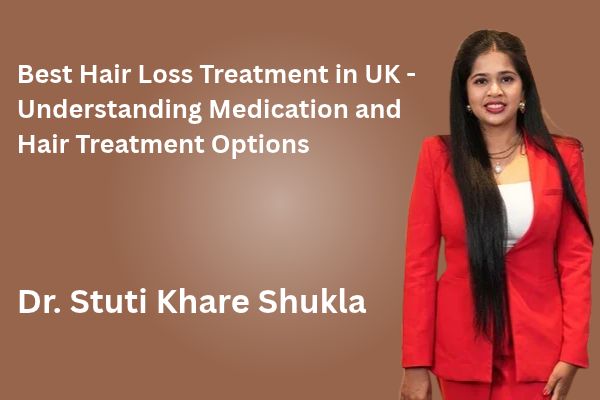
Dr. Stuti Khare Shukla is an MD dermatologist, founder of Elements of Aesthetics clinics, and the creator of the signature Hair Growth Booster® treatment. Popularly known as the Hair Growth Queen of India, she specialises in clinical dermatology and non-surgical hair growth treatments.
After completing her postgraduate dermatology education in India, Dr. Stuti pursued international fellowships and advanced training in the USA, Singapore, and Bangkok. She has also been invited to speak and train doctors at international dermatology conferences, including IMCAS Paris.
Her signature Hair Growth Booster® is presented on her website as a non-surgical hair restoration option. The website also offers online consultations for international patients, including people living in the UK, allowing them to discuss their hair concerns without travelling to India.
How to Choose the Right Hair Loss Treatment?
Before selecting a treatment, consider the following:
- Get a proper scalp and hair assessment.
- Identify whether hair loss is genetic, hormonal, nutritional, or stress-related.
- Discuss medication benefits, risks, and possible side effects.
- Understand the expected treatment duration and maintenance.
- Choose a qualified dermatologist with relevant hair restoration experience.
The Best Hair Loss Treatment in UK is not the same for everyone. Treatment should be selected according to the individual’s diagnosis and medical history.
Dr. Stuti Khare Shukla Contact Information
Social Media Links:-
More Ways to Contact:-
Conclusion
Hair loss can affect confidence and quality of life, but several treatment options are available. From medications such as minoxidil and finasteride to non-surgical hair restoration and transplantation, the right approach begins with an accurate diagnosis.
If you are exploring the Best Hair Loss Treatment in UK, consult a qualified dermatologist, understand your options, and choose a treatment plan suited to your hair health and long-term goals.
FAQs
Que:- What is the most effective treatment for hair loss in the UK?
Ans:- Treatment depends on the cause. Minoxidil, finasteride for suitable patients, nutritional correction, non-surgical hair restoration, and hair transplantation may be considered.
Que:- Can hair grow back after hair thinning?
Ans:- In many cases, hair regrowth is possible, depending on the underlying condition, follicle health, and treatment approach. Early diagnosis can improve treatment planning.
Que:- Is minoxidil suitable for everyone?
Ans:- No. Its suitability depends on the type of hair loss, age, medical history, and individual circumstances. Consult a healthcare professional before using it.
Que:- Can UK residents consult Dr. Stuti Khare Shukla online?
Ans:- Yes. Her website provides online consultation options for international patients, including those living outside India.
Que:- Is non-surgical hair restoration an alternative to hair transplantation?
Ans:- It may be an option for selected individuals, depending on their hair loss condition. A dermatologist can explain the differences and help determine suitability.
Related Tags:-
- best hair doctor in India
- hair growth queen of India
- dermatologist for hair growth
- best hair treatment in Mumbai
- non surgical treatment for hair loss
- Hair Growth Booster®
- Awards and Achievements
- Best Hair Fall Treatments in India
- Hair Transplant
- Hair Transplant vs. Hair Growth Booster®
- How to Stop Hair Loss in Women Naturally
- Top 5 Causes of Sudden Hair Loss
- Hair Growth Results
- Teenage Hair Fall Treated Without Surgery
- Dry Hair After Wash
- Keratin Treatment
- The Dark Side of Daily Heat Styling
- Coloured + Damaged Hair
- Hair Oiling
- Hair Colouring Safe
- SKS Hair Growth Booster
- Hair Transplant vs. SKS Hair Growth Booster
- Balding or Thinning
- Real People Real Results
- Treatment At Home
- Best Dermatologist for Hair Growth in India
- Non-Surgical Hair Regrowth Solutions
- Patients Avoid Hair Transplant Surgery
- Top Hair Loss Myths
- Common Causes of Hair Fall
- Hair Grow Faster After Postpartum Hair Loss
- Best Hair Growth Foods for Indian Women
- hair falling out at 25
- Hair Growth Specialist in Hyderabad
- Men Experiencing Early Baldness
- Proven home remedies for thinning hair
- Can stress cause hair loss
- Hair Fall During Summer Season
- Hair Transplant vs Non-Surgical Hair Growth Treatments
- Gen Z loosing hair very early
- Boost Hair Growth After Chemotherapy
- Why People in Metro Cities Loosing Hair
- Hormonal Changes After Childbirth
- Hair Loss During Menopause
- India’s Hair Growth Queen
- Female Pattern Baldness
- Male Pattern Baldness
- Telogen Effluvium (TE) and Hair Shedding
- Best Hair Doctor in Mumbai
- Hair Growth Gummies
- Best Hair Doctor in Hyderabad
- Hair Loss Treatments in India
- Hair Thinning Treatment in India
- Hyderabad IT Sector People Are Losing Hair Early
- Model or an Actor in Mumbai
- Best Hair Doctor in Nagpur
- Hair Loss at the Crown
- Hair Getting Thinner
- Hair Follicle Health
- Can Weak Hair Become Strong Again
- Hair Growth Cycle
- Hair Growth Has Stopped
- Sudden Hair Thinning
- Hair Density
- Hair Breakage vs. Hair Loss
- Can Damaged Hair Grow Back
- Indians in Australia Experiencing Hair Loss
- Hair Fall Treatment Doctor in India
- Hair Fall Treatments for Women in India
- Hair Fall Solution for Men in India
- Best Dermatologist for Hair Loss in India
- Hair Growth Specialist in India
- Best Hair Doctor in India
- Best Hair Loss Dermatologist in Mumbai
- Hair Fall Treatment Hyderabad
- Hair Fall Treatment Nagpur
- Hair Fall Treatment Doctor India
- Hair Fall Treatment for Women in India
- Best Trichologist in India
- Trichologist Doctor in India
- Trichologist vs Dermatologist
- What does a trichologist do
- Trichologist for Hair Fall in India
- Trichologist in Hyderabad
- Female Trichologist in Hyderabad
- Best Dermatologist in USA
- Best Hair Loss Treatment in UK