
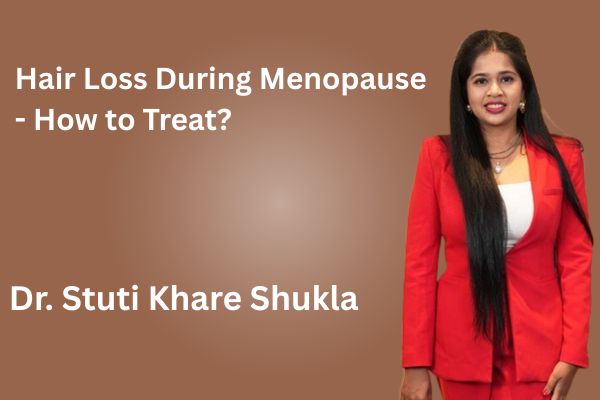
Hair Loss During Menopause – Menopause is a natural phase in every woman’s life, but it often comes with unexpected changes—including hair thinning and excessive shedding. Many women notice their hair becoming weaker, less dense, and more fragile during this time.
Understanding hair loss during menopause is the first step toward managing it effectively. The condition is common, temporary in many cases, and manageable with the right approach.
Why Hair Loss During Menopause Happens
The primary reason behind hair loss during menopause is hormonal imbalance.
During menopause:
- Estrogen and progesterone levels decline
- Hair growth slows down
- Hair follicles become weaker
Estrogen plays a key role in keeping hair in the growth phase for longer. When its levels drop, hair enters the shedding phase faster, leading to thinning.
At the same time, male hormones (androgens) may become more dominant, which can shrink hair follicles and result in finer, weaker hair strands.
How Hair Loss During Menopause Affects Hair Growth Cycle
Hair growth happens in cycles:
- Growth phase (Anagen)
- Resting phase (Telogen)
- Shedding phase
During menopause, this cycle gets disrupted.
- Growth phase becomes shorter
- More hair enters resting phase
- Shedding increases
This leads to:
- Overall thinning
- Reduced volume
- Slower regrowth
Hormonal shifts shorten the growth phase and increase hair fall, which is why hair appears thinner over time.
Signs of Hair Loss During Menopause
Unlike sudden hair fall, menopausal hair loss is gradual.
Common signs include:
- Thinning on the top or crown
- Wider hair partition
- Reduced ponytail thickness
- Increased hair on pillow or comb
Most women experience diffuse thinning rather than complete bald patches.
Other Factors That Worsen Hair Loss During Menopause
While hormones are the main cause, several other factors can make the condition worse.
1. Nutritional Deficiencies:-
Lack of essential nutrients like iron, protein, and vitamins weakens hair roots and slows growth. Poor nutrition is a well-known contributor to hair fall.
2. Stress and Lifestyle:-
Menopause itself can be stressful due to physical and emotional changes.
Stress can:
- Disrupt hormones further
- Trigger additional hair shedding
3. Scalp Health Issues:-
Problems like dandruff, oil imbalance, or poor hygiene can weaken follicles and reduce hair quality.
4. Genetics:-
If there is a family history of hair thinning, menopause may accelerate the process.
How to Treat Hair Loss During Menopause Naturally
The good news is that hair loss during menopause can be managed effectively by focusing on internal health and gentle care.
1. Improve Your Nutrition
A balanced diet is essential for healthy hair growth.
Include:
- Protein-rich foods
- Iron and zinc
- Vitamins (especially B and D)
- Healthy fats
Proper nutrition supports hair follicles and helps restore the growth cycle.
A healthy diet with whole foods and essential nutrients is considered one of the best defenses against hair loss.
2. Manage Stress Effectively
Stress has a direct impact on hair health.
To reduce stress:
- Practice relaxation techniques
- Maintain a healthy routine
- Get adequate rest
Lower stress levels help maintain hormonal balance, which is crucial for hair growth.
3. Maintain Scalp Health
Healthy hair starts with a healthy scalp.
Make sure to:
- Keep your scalp clean
- Avoid buildup of oil or dandruff
- Use gentle products
A clean and balanced scalp environment allows hair follicles to function properly.
4. Follow Gentle Hair Care Practices
Hair during menopause becomes more fragile, so extra care is needed.
Avoid:
- Excessive heat styling
- Tight hairstyles
- Harsh chemical treatments
Instead:
- Be gentle while combing
- Use mild hair care products
- Let hair dry naturally when possible
Reducing external damage helps prevent breakage and supports regrowth.
5. Stay Hydrated and Maintain Lifestyle Balance
Hydration and lifestyle habits also affect hair health.
Make sure to:
- Drink enough water
- Maintain a consistent sleep schedule
- Stay physically active
A healthy lifestyle supports overall body function, including hair growth.
Can Hair Loss During Menopause Be Reversed?
In many cases, yes.
Hair loss during menopause is often:
- Gradual
- Hormonal
- Manageable
As the body adjusts to new hormone levels, hair growth may stabilize over time.
With proper care:
- Shedding reduces
- New hair begins to grow
- Hair texture improves
However, consistency is key. Results take time, and patience is essential.
Common Mistakes to Avoid
If you want to manage hair loss during menopause, avoid these mistakes:
- Ignoring diet and nutrition
- Overusing styling tools
- Expecting instant results
- Using too many products at once
- Neglecting scalp care
Hair recovery is a gradual process and requires a balanced approach.
Emotional Impact of Hair Loss
Hair thinning can affect confidence and self-image. Many women feel anxious or frustrated when they notice changes in their hair.
It’s important to remember:
- This is a natural phase
- You are not alone
- Hair loss is manageable
Focusing on overall health and well-being can make the journey easier.
Consult an Expert for Effective Hair Loss Treatment
For persistent or severe hair loss during menopause, it is important to consult a well-qualified dermatologist with strong experience in hair treatments. Dr. Stuti Khare Shukla, widely known as the Hair Growth Queen of India, has been successfully treating hair loss patients worldwide with advanced non-surgical approaches
Final Thoughts on Hair Loss During Menopause
To summarize, hair loss during menopause happens mainly due to hormonal changes, especially the decline in estrogen and the relative increase in androgens.
Other contributing factors include:
- Poor nutrition
- Stress
- Scalp issues
- Lifestyle habits
The best way to treat it is by:
- Supporting your body internally
- Maintaining a healthy lifestyle
- Following gentle hair care practices
Dr. Stuti Khare Shukla Contact Information
Social Media Links:-
More Ways to Contact:-
Conclusion
Hair loss during menopause can feel overwhelming, but it is a natural part of the body’s transition. With the right care, patience, and consistency, your hair can regain strength and health over time. Instead of focusing on quick fixes, focus on long-term habits that support your overall well-being—because healthy hair always starts from within.
Related Tags:-
- best hair doctor in India
- hair growth queen of India
- dermatologist for hair growth
- best hair treatment in Mumbai
- non surgical treatment for hair loss
- Hair Growth Booster®
- Awards and Achievements
- Best Hair Fall Treatments in India
- Hair Transplant
- Hair Transplant vs. Hair Growth Booster®
- How to Stop Hair Loss in Women Naturally
- Top 5 Causes of Sudden Hair Loss
- Hair Growth Results
- Teenage Hair Fall Treated Without Surgery
- Dry Hair After Wash
- Keratin Treatment
- The Dark Side of Daily Heat Styling
- Coloured + Damaged Hair
- Hair Oiling
- Hair Colouring Safe
- SKS Hair Growth Booster
- Hair Transplant vs. SKS Hair Growth Booster
- Balding or Thinning
- Real People Real Results
- Treatment At Home
- Best Dermatologist for Hair Growth in India
- Non-Surgical Hair Regrowth Solutions
- Patients Avoid Hair Transplant Surgery
- Top Hair Loss Myths
- Common Causes of Hair Fall
- Hair Grow Faster After Postpartum Hair Loss
- Best Hair Growth Foods for Indian Women
- hair falling out at 25
- Hair Growth Specialist in Hyderabad
- Men Experiencing Early Baldness
- Proven home remedies for thinning hair
- Can stress cause hair loss
- Hair Fall During Summer Season
- Hair Transplant vs Non-Surgical Hair Growth Treatments
- Gen Z loosing hair very early
- Boost Hair Growth After Chemotherapy
- Why People in Metro Cities Loosing Hair
- Hormonal Changes After Childbirth
- Hair Loss During Menopause